Latest News
Seasons Greetings
5-Day Intensive Training Workshop on Artificial Intelligence
Workshop Description:
The rising mental health burden in East Africa- marked by high prevalence, treatment gaps, and socio-cultural stigma- demands innovative, scalable, and culturally attuned interventions. Parallel to this challenge is an unprecedented digital transformation across the region, characterized by increasing connectivity and the rapid diffusion of mobile and AI technologies.
World AIDS Day Message – 1 December 2025
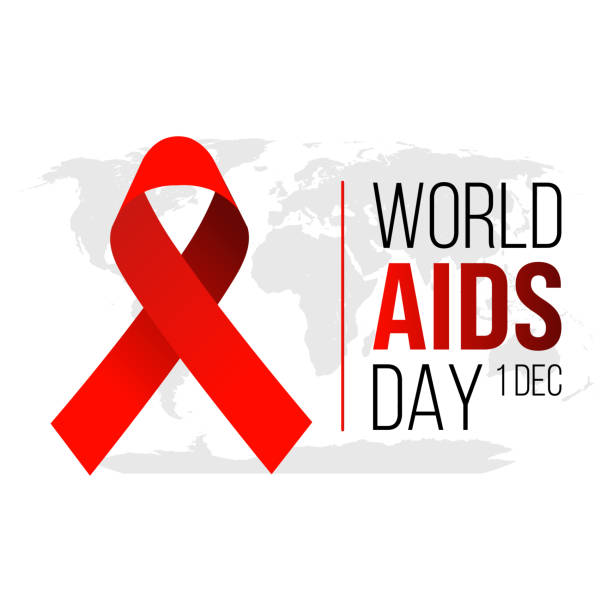
Theme: Ending AIDS Through Equity, Mental Health, and Community Resilience
The Psychological Society of Kenya (PSK) joins the global community in commemorating World AIDS Day 2025. This day is a solemn reminder of the lives lost, a celebration of the progress made, and a call to action to strengthen our collective commitment to ending HIV/AIDS in Kenya and across the world.
As mental health professionals, we recognize that HIV is not only a medical condition—it is a psychosocial reality that shapes identity, relationships, hope, and community wellbeing. Many individuals living with HIV continue to face stigma, discrimination, mental-health challenges, and barriers to care. These challenges undermine treatment adherence, quality of life, and our national efforts to eradicate HIV/AIDS.
On this World AIDS Day, PSK affirms the following:
1. Mental Health Is Central to Ending HIV/AIDS
HIV-related depression, anxiety, trauma, and substance-use vulnerability remain major obstacles to prevention and treatment. Integrating mental health screening, counselling, and psychosocial support within HIV care is therefore essential—not optional.
2. Stigma Must End Everywhere—In Homes, Schools, Workplaces, and Health Systems
Despite decades of advancement, stigma persists as one of the greatest impediments to testing, disclosure, and adherence. PSK calls for compassionate, evidence-based public education, and the protection of the rights and dignity of all people living with HIV.
3. Prevention Requires Both Knowledge and Behavioural Support
Effective behavioural interventions—youth mentorship, counselling, community engagement, and trauma-informed care—can significantly reduce new infections, especially among adolescents and young adults.
4. Psychologists Must Be at the Frontline of Care
PSK encourages all members to actively participate in HIV programming through:
- Clinical and community counselling
- Research and data-driven advocacy
- Capacity building for teachers, caregivers, and health workers
- Support to families affected by HIV/AIDS
5. We Honour the Strength of People Living With HIV
To every Kenyan living with HIV, we acknowledge your courage. Your resilience continues to inspire progress, innovation, and hope.
You are not alone.
6. A Call to Government and Partners
The Society urges national and county governments, as well as development partners, to strengthen partnerships that integrate:
- Mental health services within HIV treatment and care
- Evidence-based prevention initiatives
- Community psychosocial support networks
- Sustainable financing for HIV and mental-health programs
As Kenya continues its journey toward an AIDS-free generation, the Psychological Society of Kenya reaffirms its commitment to equity, dignity, mental wellness, and scientifically grounded action.
Together, let us build a future where HIV/AIDS no longer threatens the health, stability, or dreams of any Kenyan.
Signed,
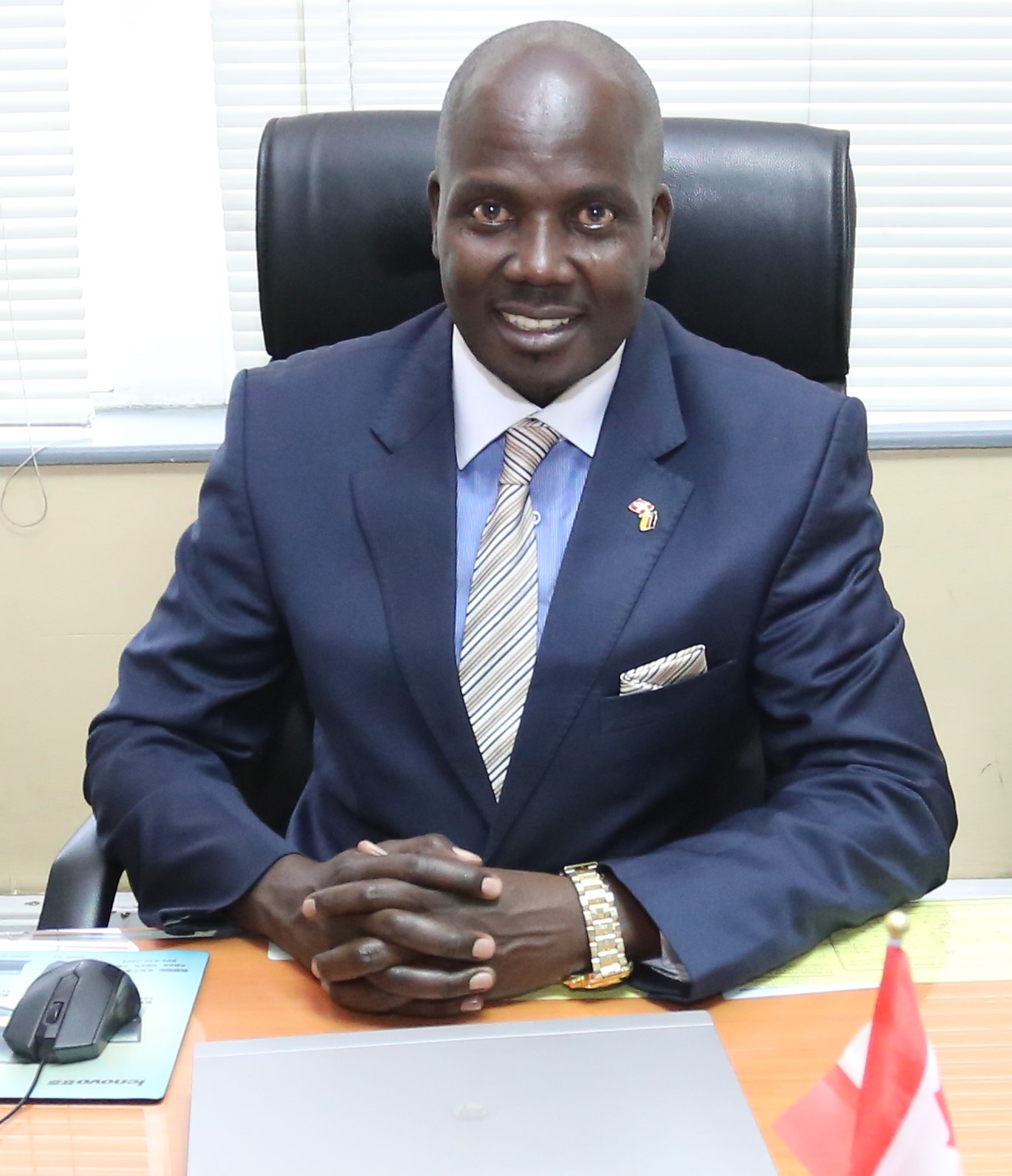
President, The Psychological Society of Kenya (PSK)
1 December 2025
Tribute to the Rt. Hon. Raila Amolo Odinga
 The Psychological Society of Kenya (PSK) joins the nation, the continent, and the world in mourning the passing of Kenya’s 2nd Prime Minister, the Rt. Hon. Raila Amolo Odinga, which occurred on Wednesday, October 15th, 2025, at 9:52 AM in India, while he was receiving medical treatment.
We are deeply grieved by the loss of a patriot, visionary leader, and tireless advocate for justice, democracy, and human dignity. The Rt. Hon. Odinga’s life was a living testament to resilience, courage, and unyielding devotion to the people of Kenya and to the ideals of African unity and progress.